Get Tree Shaping Service
Tree shaping service providers help property owners design, construct, and maintain artistic or functional structures using living trees to solve space, aesthetic, and structural needs.
Tree shaping services offer a unique way for property owners to enhance their outdoor spaces through practical and aesthetic improvements. Whether considering structural modifications, landscape integration, or creative design, exploring options in this field can provide functional benefits and visual appeal. Property owners in the area may find value in working with local contractors who specialize in tree shaping, helping to achieve customized results that complement existing landscapes and meet specific project goals.
For those planning outdoor projects or seeking to compare different service providers, understanding the range of available options is an important step. Local contractors with experience in tree shaping can assist in developing tailored solutions that align with property needs and personal preferences. Continuing to explore the choices in the area can lead to well-informed decisions and successful project outcomes.
- Living fences - when property boundaries need natural, living barriers that also enhance landscape appeal.
- Tree shaping for furniture - for custom, functional wood pieces crafted through specialized tree training techniques.
- Architectural tree art - when unique, artistic structures are desired for aesthetic or functional outdoor features.
- Garden feature design - for creating visually striking, shaped trees that serve as focal points in landscape design.
- Tree training for shade structures - when shaded outdoor spaces are needed through the strategic shaping of trees.
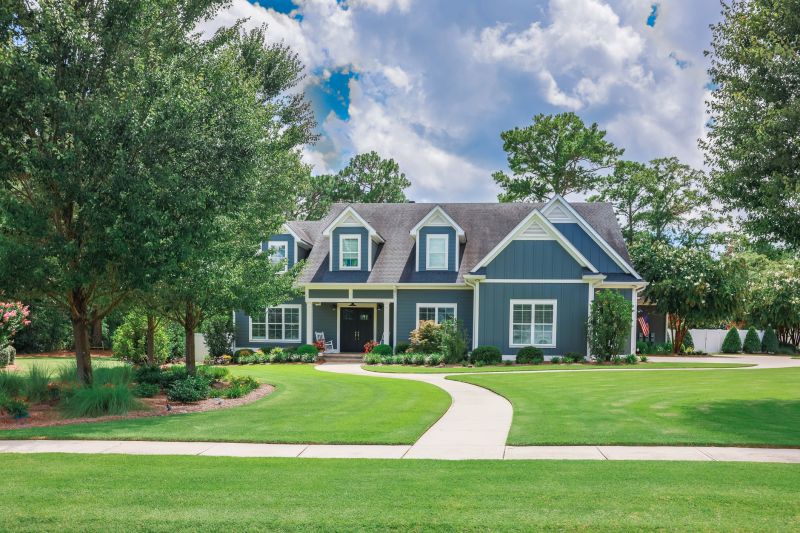
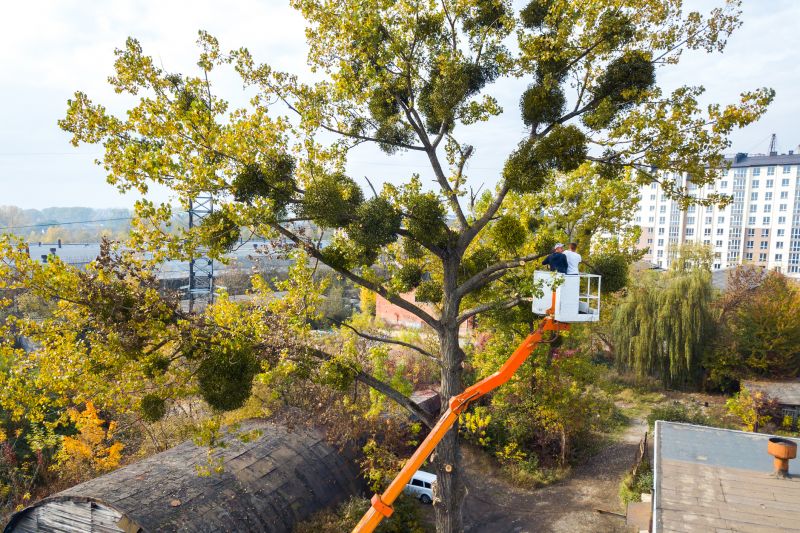
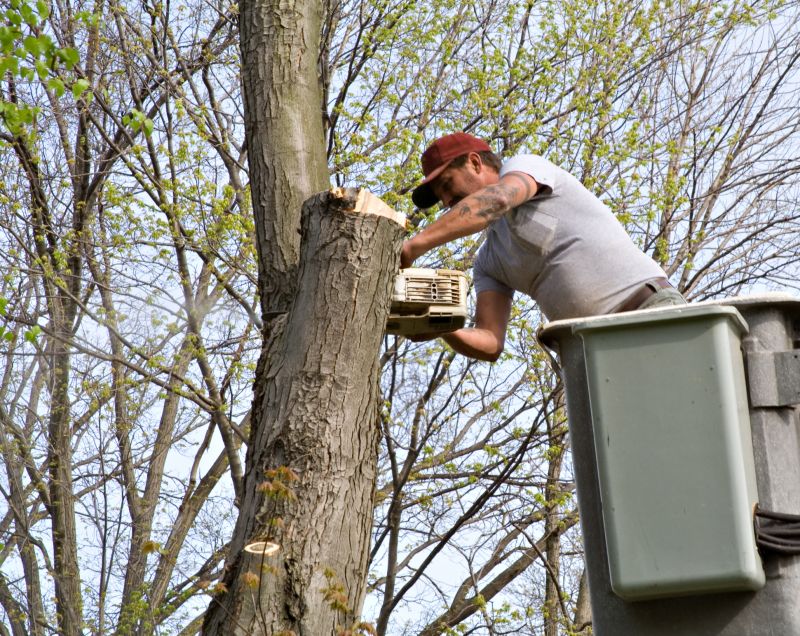
Tree shaping services involve the skilled manipulation and training of trees and woody plants to create functional and aesthetic structures. This process typically includes guiding the growth of trees over time through techniques such as pruning, wiring, and selective shaping. The goal is to develop living features like custom arches, furniture, fences, or even entire architectural elements that blend naturally into the landscape. These services require a knowledgeable approach to ensure the health of the trees while achieving the desired design, making it a specialized option for those interested in unique, eco-friendly landscaping features.
This service can help address common landscaping challenges, such as the need for natural privacy screens, decorative garden features, or structural elements that do not require traditional construction. Tree shaping can also be used to reinforce weak or overgrown trees, helping to prevent hazards like falling branches or structural failure. Additionally, it offers a sustainable alternative to building materials, as living structures can grow and adapt over time. Property owners who want distinctive, long-lasting landscape features that add character and functionality often turn to local contractors experienced in tree shaping.
Typically, properties that utilize tree shaping services include residential homes with large yards, estates, and historic properties seeking to preserve or enhance their landscape. Commercial properties, parks, and public gardens may also use these services to create inviting outdoor spaces or artistic features that attract visitors. Tree shaping is especially popular in settings where natural aesthetics are valued and where sustainable, living elements can complement existing landscape designs. It provides a creative way to incorporate nature into property features while maintaining a natural, organic appearance.
Homeowners who notice overgrown, misshapen, or structurally weak trees might consider tree shaping to improve safety and visual appeal. Those looking to add custom, natural features to their outdoor space-such as living fences, archways, or decorative sculptures-may find this service beneficial. It is also suitable for property owners interested in eco-friendly landscape enhancements that require minimal maintenance once established. Connecting with local service providers can help evaluate whether tree shaping is the right solution for specific property needs, ensuring the work is performed by experienced professionals capable of creating durable, living structures.
The overview below groups typical Tree Shaping Service projects into broad ranges so you can see how smaller, mid-sized, and larger jobs often compare in your area.
In many markets, a large share of routine jobs stays in the lower and middle ranges, while only a smaller percentage of projects moves into the highest bands when the work is more complex or site conditions are harder than average.
Smaller Tree Pruning - typical costs range from $250-$600 for routine pruning jobs on small to medium trees. Many standard projects fall within this range, with fewer reaching the higher end for larger or more complex cuts.
Tree Shaping and Training - shaping services usually cost between $1,000 and $3,000 depending on the size and intricacy of the design. Smaller, simpler projects tend to stay in the lower part of this range, while elaborate shapes can push costs higher.
Large Tree Reshaping or Structural Work - more extensive reshaping or structural modifications often fall between $3,000 and $7,000. Many projects in this tier involve significant effort, with fewer jobs reaching the upper end of this spectrum.
Full Tree Replacement or Major Restoration - complete removal and replacement or comprehensive restoration projects can exceed $10,000, with larger, more complex projects reaching $20,000+ in some cases. Such high-end projects are less common and typically involve substantial planning and labor.
Actual totals will depend on details like access to the work area, the scope of the project, and the materials selected, so use these as general starting points rather than exact figures.
Topiary Art - local contractors skilled in shaping shrubs and small trees into decorative forms, sharing techniques used in tree shaping projects.
Arboriculture and Pruning - professionals who prune and train trees for health and aesthetics, utilizing planning skills similar to those in tree shaping services.
Living Fences and Hedgerows - service providers who create functional and decorative plant barriers, requiring planning and plant training methods akin to tree shaping.
Bonsai Cultivation - experts who train miniature trees through wiring and pruning, applying precise techniques comparable to shaping larger trees.
Wood Carving and Sculpting - artisans who shape wood into artistic forms, sharing craftsmanship skills relevant to shaping living trees.
Landscape Design with Green Structures - designers who incorporate living plant structures into outdoor spaces, involving planning and plant training similar to tree shaping projects.
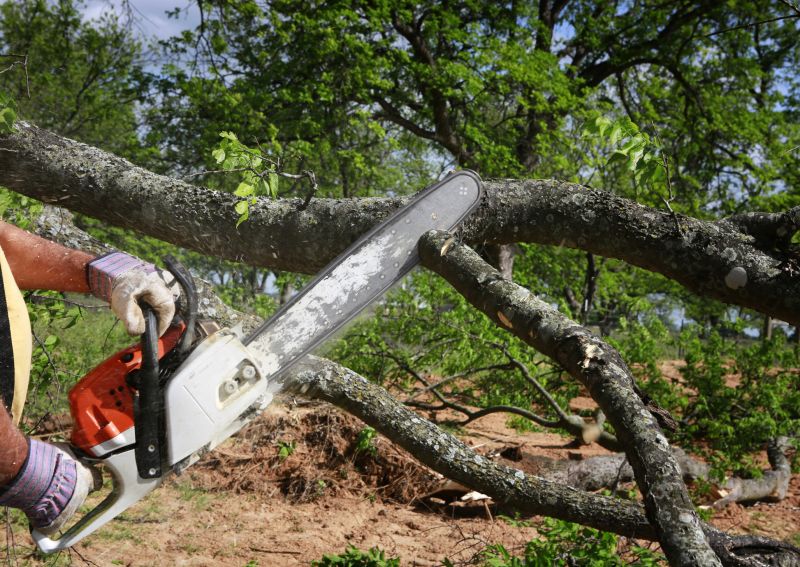
When comparing local contractors for tree shaping services, it’s important to consider their experience with similar projects. A service provider with a proven track record in shaping or pruning trees similar in size, species, or scope can offer valuable insights into their capabilities. Reviewing their portfolio or asking about past projects can help gauge whether they have the necessary expertise to handle the specific requirements of the job. This background can also indicate their familiarity with techniques that promote healthy growth and long-term tree health.
Clear, written expectations are essential to ensure that both the homeowner and the service provider are aligned on the scope of work. A reputable local contractor should be able to provide a detailed description of the services offered, including the methods they plan to use, the areas to be worked on, and any special considerations. Having these expectations documented helps prevent misunderstandings and ensures that the project progresses smoothly. It’s also beneficial to clarify what is included and what might be considered additional work, fostering transparency from the outset.
Reputable references and good communication are key factors when choosing a tree shaping service provider. Service providers who can furnish references from previous clients demonstrate transparency and confidence in their work. Additionally, clear and prompt communication during the inquiry process can indicate professionalism and reliability. Engaging with providers who are responsive and willing to answer questions can help build trust and ensure that the homeowner feels comfortable throughout the project. Remember, this site introduces homeowners to local options, but it does not perform the work itself-selecting the right service provider involves evaluating these qualities to find a good match for the project’s needs.
Property owners use Tree Shaping Service services for practical projects around their homes and businesses. This guide focuses on everyday jobs and straightforward project options.
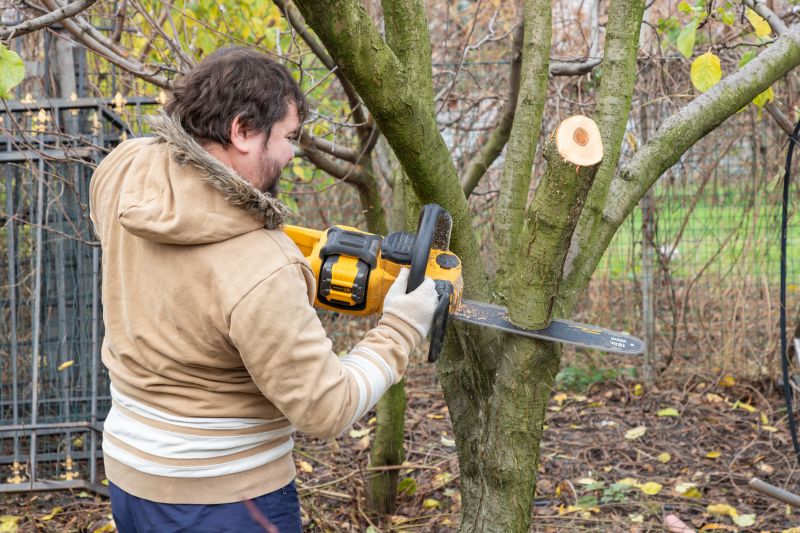
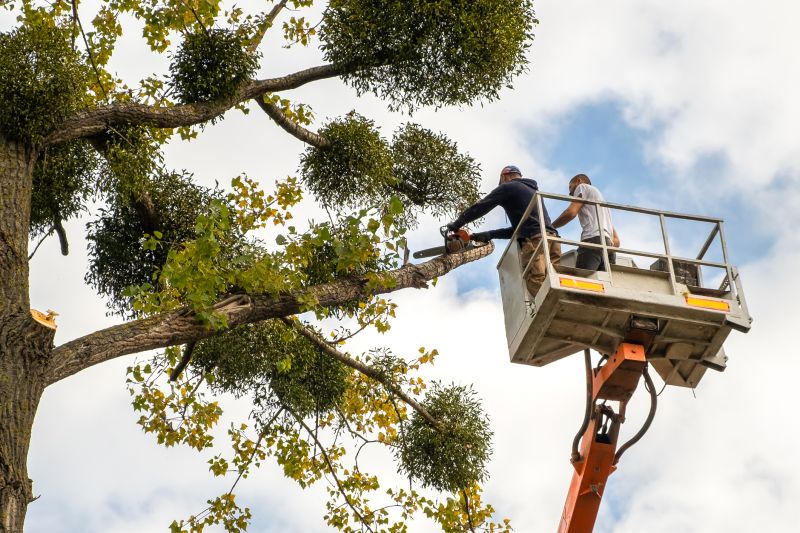
Tree shaping services are often sought by property owners dealing with overgrown or unruly trees that threaten structures, power lines, or landscaping. Whether a tree has become too large for its space or shows signs of damage, local contractors can provide pruning, shaping, or removal to help maintain a safe and attractive property. These services are also useful for those looking to improve curb appeal by giving trees a more polished appearance or to prevent potential hazards caused by falling branches.
Additionally, property owners may consider tree shaping to enhance their outdoor spaces or to accommodate specific landscaping plans. Local service providers can assist with shaping trees to create natural privacy screens, define property boundaries, or encourage healthier growth. In cases where trees are obstructing views or interfering with utility lines, professional shaping can be a practical solution to address these everyday project needs.
What is tree shaping service? Tree shaping service involves trained contractors shaping and training trees into specific forms or structures to enhance landscape design or create functional features.
What types of trees can be shaped? Local service providers can work with a variety of trees, including hardwoods and softwoods, depending on the desired outcome and the tree’s health.
Is tree shaping suitable for all landscapes? Tree shaping can be adapted to different landscape sizes and styles, but it is best to consult with local contractors to determine suitability for specific spaces.
What are common purposes for tree shaping? Tree shaping is often used for aesthetic purposes, creating living fences, or designing functional structures like arboretums or artistic forms.
How do local contractors perform tree shaping? Professionals typically train and guide trees over time through pruning and wiring techniques to achieve the desired shape or structure.
Tree Shaping for Garden Design - Enhance outdoor spaces by shaping trees into functional or decorative forms that complement landscape plans.
Custom Tree Structures - Create unique features like benches, arches, or sculptures using trained trees to add character to property grounds.
Shade and Privacy Solutions - Use tree shaping to develop natural privacy screens or shaded areas for outdoor living spaces.
Functional Tree Fencing - Incorporate shaped trees as natural fencing or barriers to define property boundaries or protect garden areas.
If you are thinking about Tree Shaping Service for a property, this guide is meant to help you understand the work, the typical project types, and how different options might fit your plans.
When you are ready, you can use the quote form on this page to share a few details about your project. From there, local pros can review the basics and respond with options that match what you have in mind.