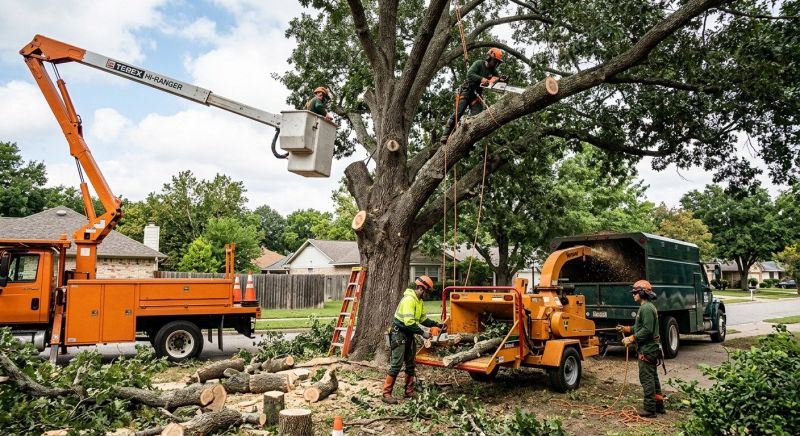
Apple Tree Removal in Bucks County, PA
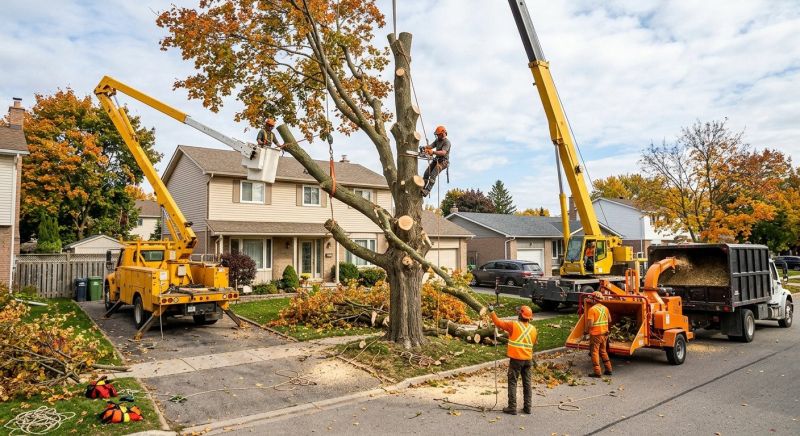
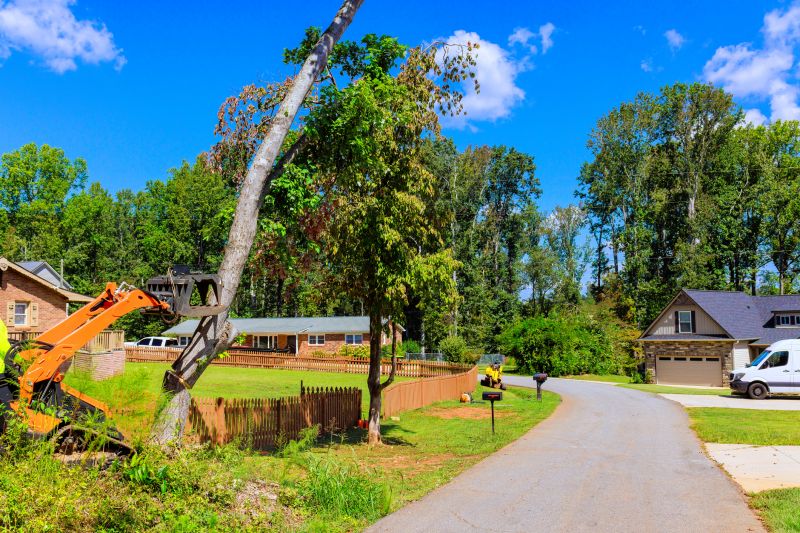
Apple tree removal services involve the careful and efficient removal of apple trees that are no longer desired, diseased, damaged, or pose a safety risk to a property. This process typically includes cutting down the tree, removing the stump, and cleaning up the debris to restore the landscape’s appearance and safety. Projects may range from removing a single tree to clearing multiple trees across a property, often to make way for new landscaping, construction, or to eliminate hazards caused by storm damage or disease.
Property owners considering apple tree removal usually want to understand the scope of work involved, including how the tree will be safely dismantled and the methods used for stump removal. It’s also helpful to know about any potential impact on surrounding plants or structures and to clarify what preparations or follow-up work might be necessary. Proper planning ensures the removal process proceeds smoothly and aligns with the property’s overall maintenance and landscaping goals.
Many property owners in Bucks County, PA look into Apple Tree Removal for repairs, replacements, upgrades, and appearance-related improvements.
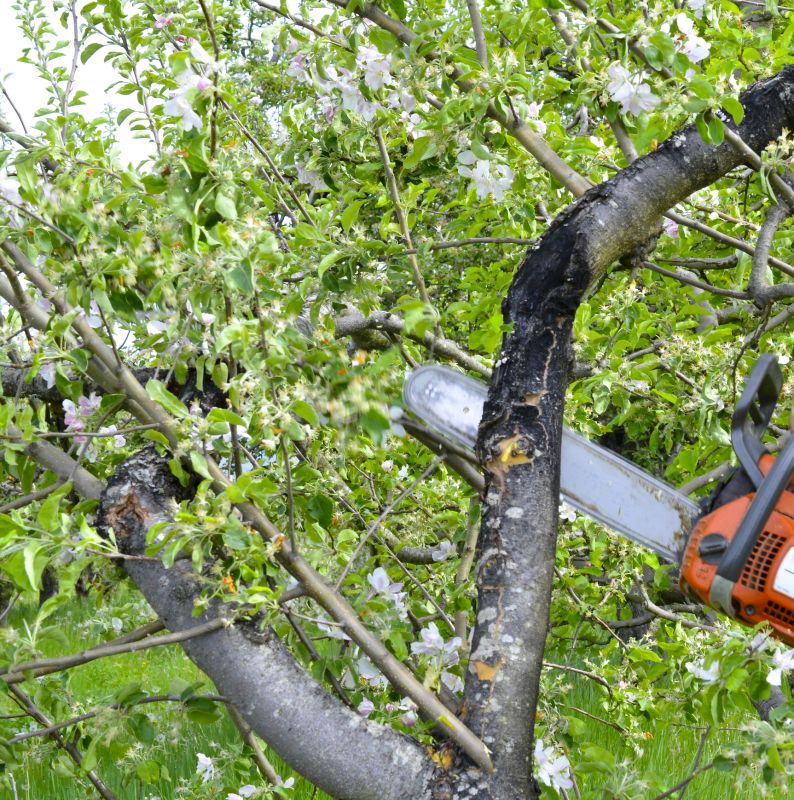
Reasons For Tree Removal
Trees may need removal due to disease, damage, or safety concerns on residential properties.
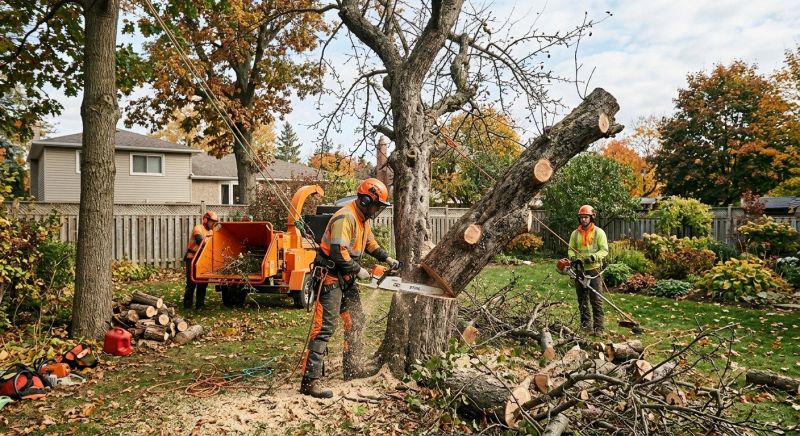
Tree Removal Process
Proper removal involves careful planning to prevent damage to nearby structures and landscaping.
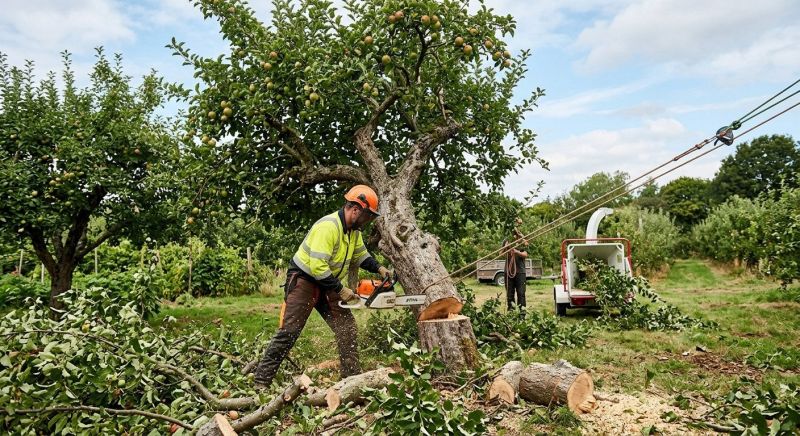
Post-Removal Cleanup
After removal, property owners can expect thorough cleanup to restore the landscape's appearance and safety.
Apple Tree Removal in Bucks County, PA

Apple tree removal services involve the careful and efficient removal of apple trees that are no longer desired, diseased, damaged, or pose a safety risk to a property. This process typically includes cutting down the tree, removing the stump, and cleaning up the debris to restore the landscape’s appearance and safety. Projects may range from removing a single tree to clearing multiple trees across a property, often to make way for new landscaping, construction, or to eliminate hazards caused by storm damage or disease.
Property owners considering apple tree removal usually want to understand the scope of work involved, including how the tree will be safely dismantled and the methods used for stump removal. It’s also helpful to know about any potential impact on surrounding plants or structures and to clarify what preparations or follow-up work might be necessary. Proper planning ensures the removal process proceeds smoothly and aligns with the property’s overall maintenance and landscaping goals.
Many property owners in Bucks County, PA look into Apple Tree Removal for repairs, replacements, upgrades, and appearance-related improvements.
Common Apple Tree Removal Jobs
Apple Tree Removal - Safely removing damaged or overgrown apple trees to maintain property health.
Storm Damage Cleanup - Removing fallen or broken apple trees after storms to prevent hazards.
Selective Tree Removal - Removing specific apple trees to improve landscape aesthetics or fruit production.
Root Removal - Extracting tree roots that interfere with foundations, driveways, or underground utilities.
Stump Grinding - Eliminating leftover stumps for safety and to prepare the area for new planting.
Hazard Tree Removal - Removing unstable or diseased apple trees to protect property and safety.

Apple Tree Removal Questions
When should a tree be removed? A tree may need removal if it shows signs of disease, damage, or poses a safety risk to property or people.
Is stump removal part of the tree removal process? Stump removal is often available as an additional service after the tree is cut down.
What types of trees are commonly removed? Common removals include dead, diseased, hazardous, or unwanted trees of various species.
How can I tell if a tree is healthy enough to stay? Signs of good health include full foliage and no visible damage; consulting an arborist can provide a professional assessment.
Request Apple Tree Removal in Bucks County, PA
Use the quote form on this page to share the basics of your project and request more information for the type of work you need.